
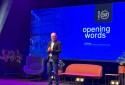
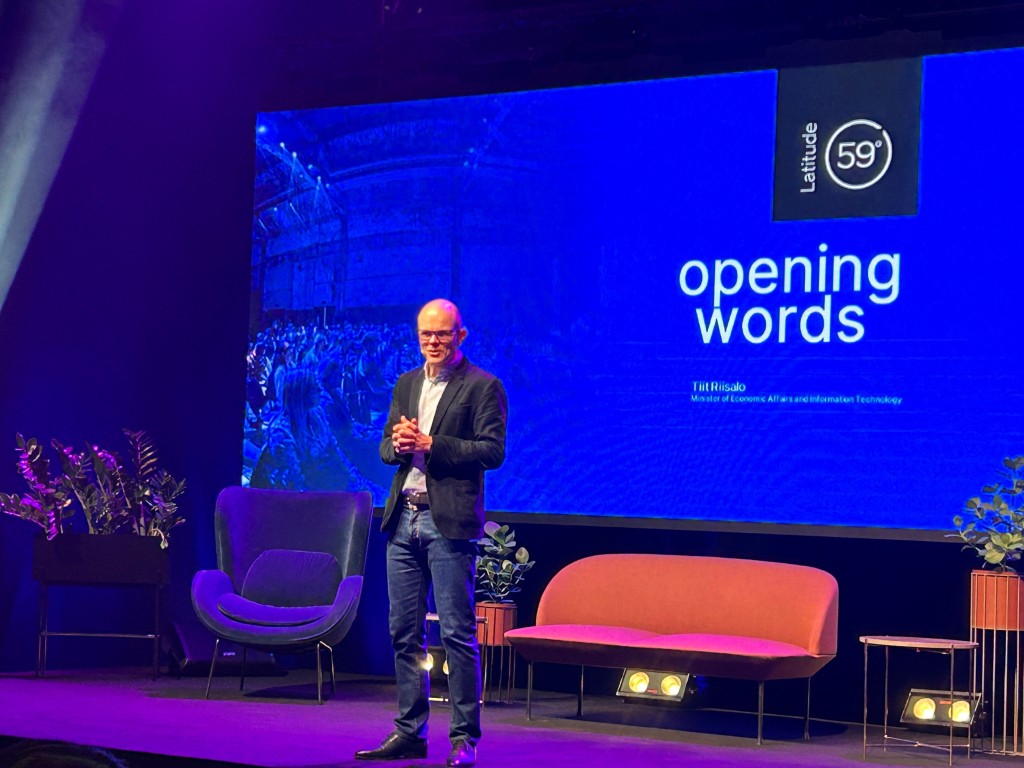
In the opening remarks of the conference, Minister of Economy and Information Technology Tiit Riisalo said that although Thinking in Billions suggests that in the context of investments one should think big, it is actually important to think big in ideas as well. "We have also set an ambitious goal in our economic plan to double the economy by 2035. Therefore, we must not only think big, but also act quickly - the state must be a creator of opportunities and a supporter of innovation," said the minister. "The basis of the new economy is secure and accessible data exchange, where organized data plays an important role. Medical expenses, which make up a large part of national budgets, could be reduced precisely by the smart use of artificial intelligence. In a changed world, it is also important to support smart solutions in the defense industry, where we will hopefully be ready to make the first investment from the defense industry fund created for SmartCap at the end of the year."
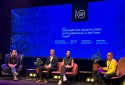
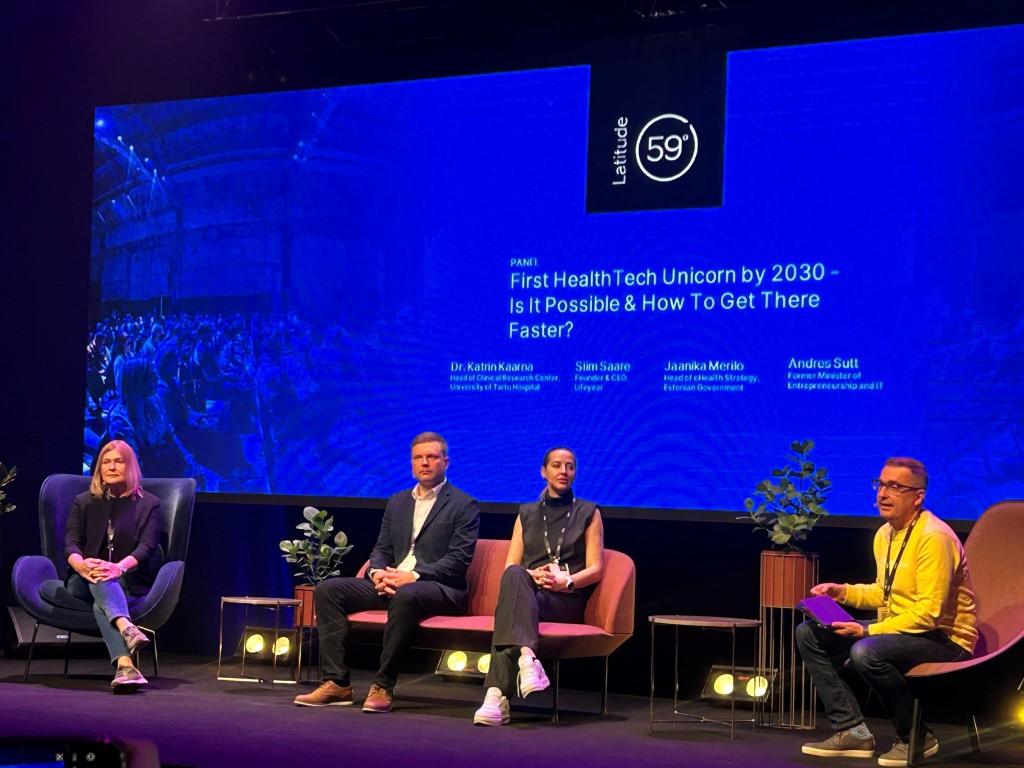
In Estonia, the health tech sector is ready to take a leap to a nxt level. Jaanika Merilo, Siim Saare and Dr. Katrin Kaarna, who discussed with former Minister of Entrepreneurship and Information Technology Andres Sutt, stated that creating the first unicorn in the field of medicine in Estonia is possible by using the method of regulatory sandboxes, where the state, the medical sector and companies could play through the changes that enable innovation.
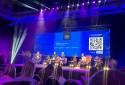
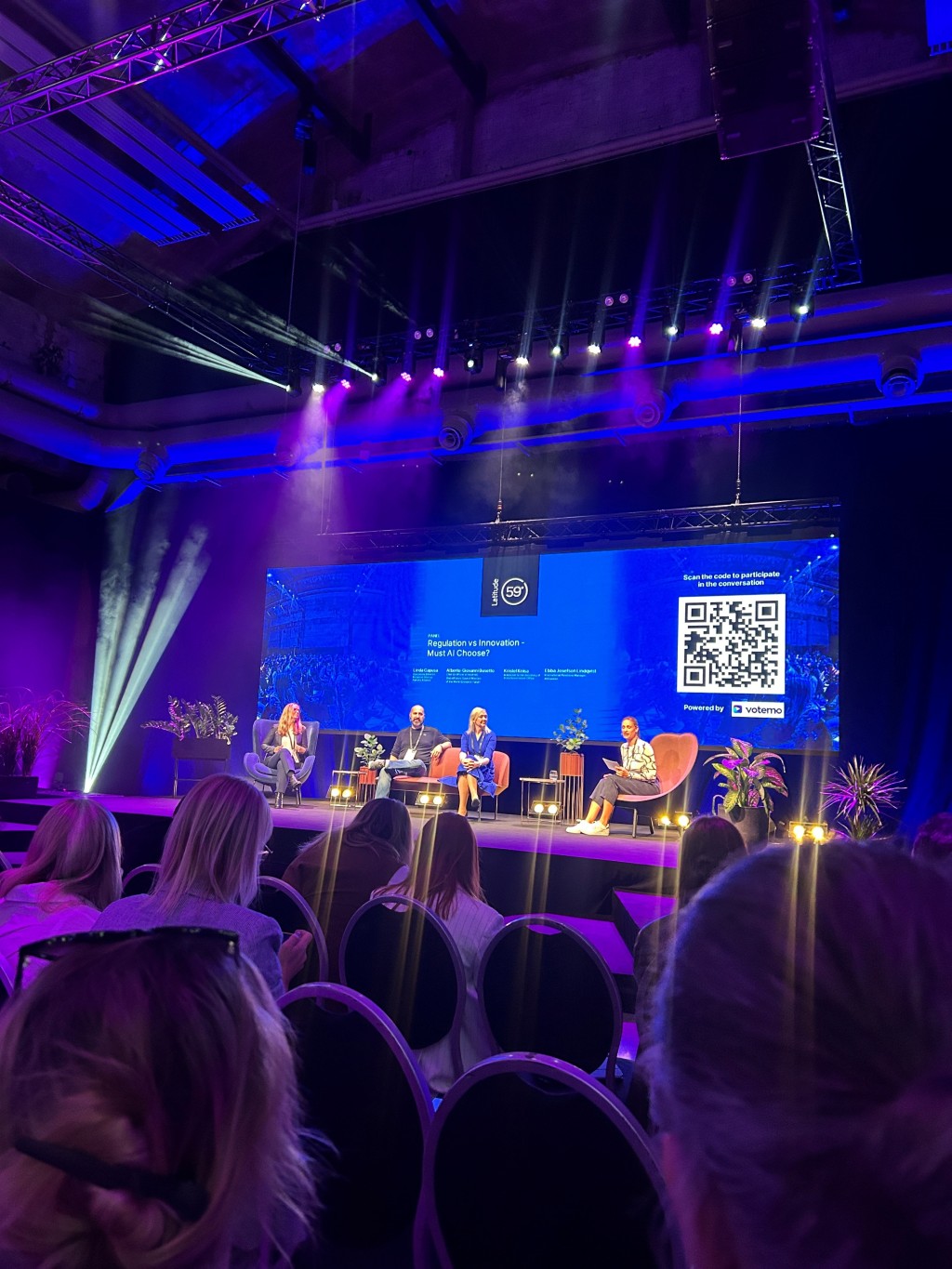
The discussion on AI and data focused on European Union rules and responsible development of artificial intelligence. The panelists highlighted the importance of regulatory sandboxes where the public and private sectors can work together to test the impact of regulation on innovation. Kristel Kriisa, Alberto-Giovanni Busetto and Linda Capusa, who participated in the panel led by Ebba Lindqvist, AI Sweden's head of international relations, recognized that both the public and private sectors are still learning how to use artificial intelligence and that this is a journey that needs to be completed in close cooperation.
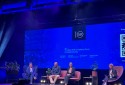
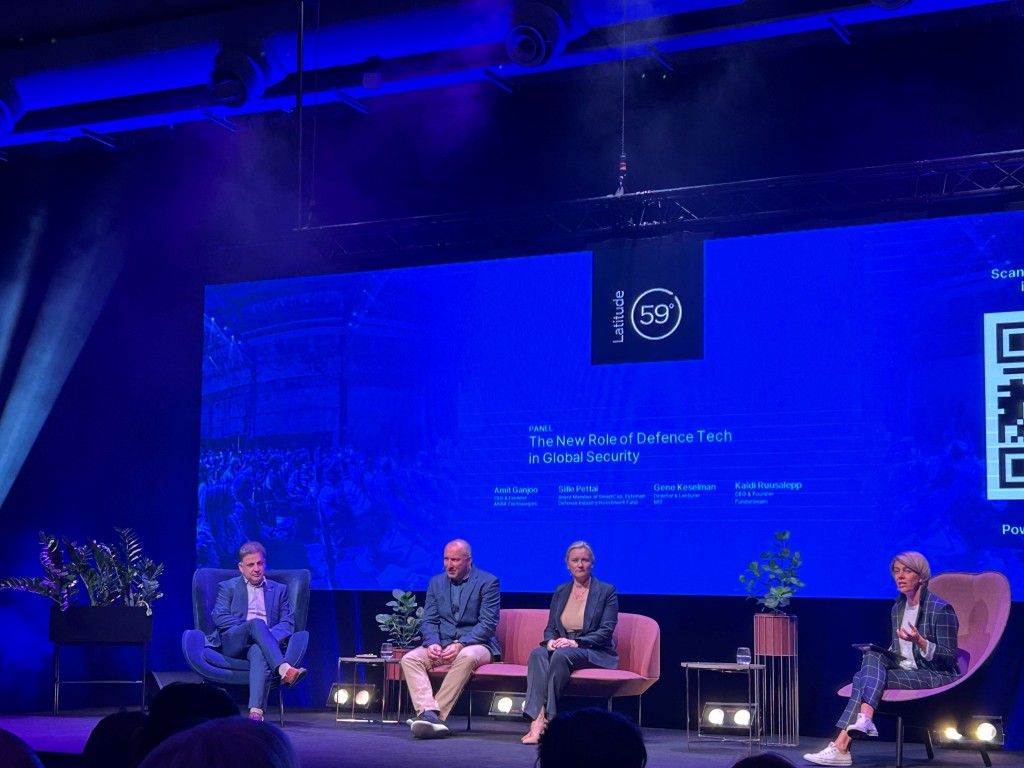
Products and technologies originally developed for the defense sector have also found their way into everyday use, be it MacGyver's tape, the microwave or the Internet. In the speeches and panel focusing on the field of defense and dual use, it was recognized that the position of defense tech in the market is more complicated, since their customers are governments that want to buy solutions. The panel chaired by Kaidi Ruusalepp was also preceded by three keynote presentations.
"The Key to Accelerating Defense Innovation is a Common Language" by Gene Keselman, professor and director of the Massachusetts Institute of Technology (MIT) in the United States, responsible for the field of defense and twin technologies.
This was followed by SmartCap's manager Sille Pettai's presentation "The Role of the Estonian Defense Fund in Supporting Defense Tech Ventures".
The block of keynote presentations ended with the presentation "The Evolution of Civil-Military Cooperation in Defense Tech and Dual-Use" by Amit Ganjoo, an expert in the field of drone technology and CEO of ANRA Technologies.
Thinking in Billions is the official pre-event of Latitude59 aimed at promoting private and public sector cooperation and innovation, which takes place together with the Ministry of Economy and Communications, Latitude59, Accelerate Estonia and Startup Estonia. The conference took place this year for the fourth time.

